

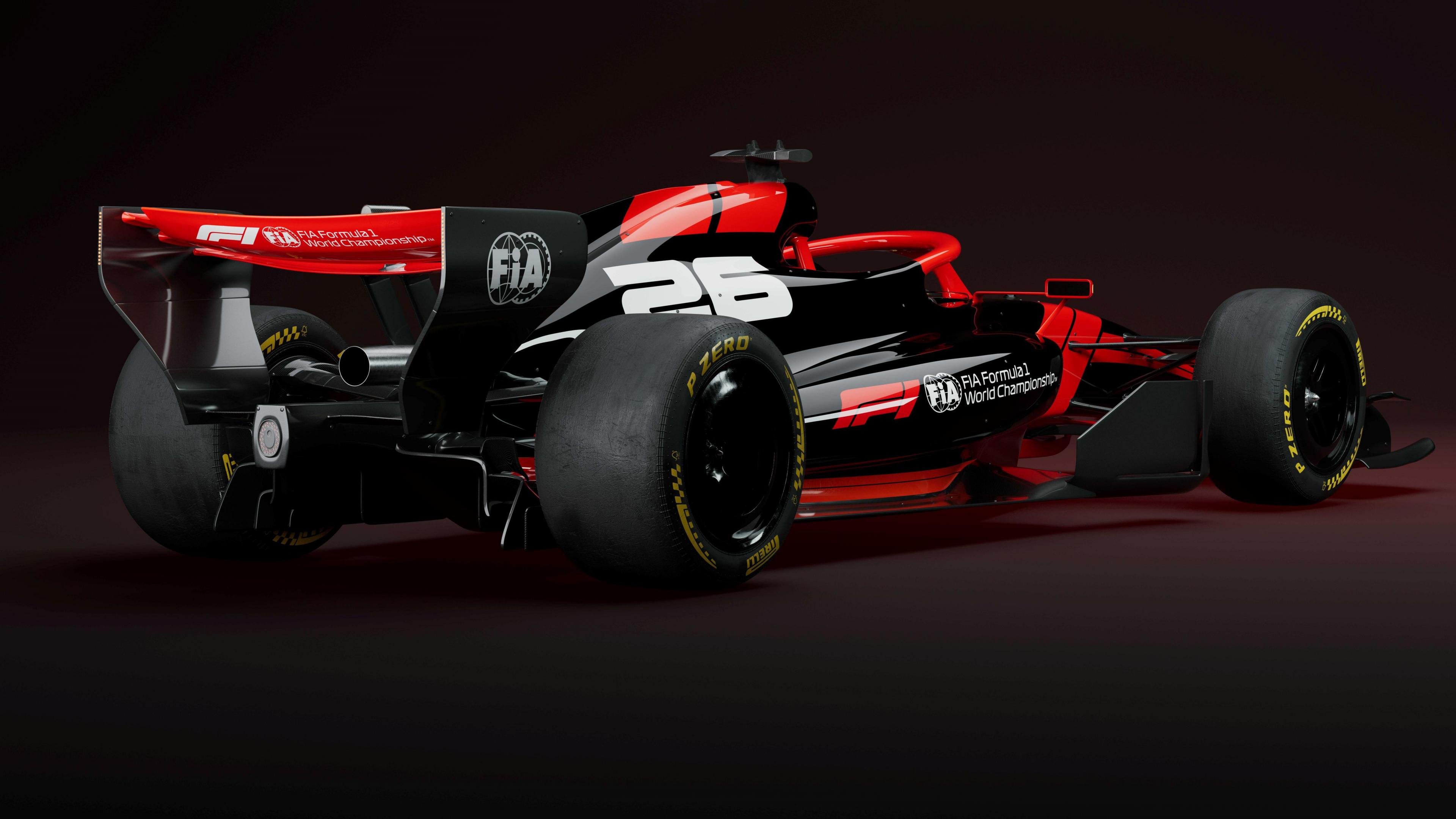
The 2026 Formula 1 cars are designed to be more compact, agile and eco-conscious relative to present-day cars.
The world of Formula 1 has unveiled the new vocabulary that will be used to reference the technical complexities of its revolutionary 2026 rulebook.
The racing series is introducing what is arguably the most significant regulation change in its competitive history for the 2026 campaign, featuring new chassis and engine rules and the compulsory introduction of eco-friendly fuels.
The new power units, which maintain the 1.6-litre V6 turbo hybrid, boast a greatly enhanced electrical capacity, necessitating key advancements in the cars' aerodynamics.
Over a race distance, pilots will strategically manage ERS energy – including during hot laps – to extract the peak lap time.
Broad surveys were carried out with a mix of viewers, including long-time followers and newcomers, to determine which phrases would aid comprehension of the main elements of the new regulations.
The primary aim was to present a set of intricate new areas of the racing as easy to grasp as possible for the widest audience.
Consequently, older technical labels for certain devices – such as "x-mode and z-mode" for the active aerodynamics – have been phased out in favor of descriptive names that directly explain the primary purpose of the innovation.
Key Technical Innovations
Regulators explain that competitors will have increased agency to determine tactics regarding power usage, harvesting, and efficiency.
The 2026 rules feature a set of functions that will be shown on TV overlays to enhance the viewers' comprehension of the strategic duel.
- Passing Mode: This takes over from the current DRS. It provides a short boost of battery power deployable when a driver is within one second the leading car to facilitate an overtake.
- Extra Push Mode: This is a manual energy deployment from the hybrid system that can be used in offensive or defensive moves. It grants the pilot maximum power at the push of a button.
Both of these strategic tools will have to be deployed strategically, as the total energy is strictly limited.
- Active Aerodynamics: Both the car's wings adjust their angles – opening on the high-speed sections for low aerodynamic resistance and higher speed, and closing in the turns for optimal cornering performance.
- Energy Harvesting: The system can harvest energy with regenerative braking, or during partial power application at the end of straights or in sections where only limited engine output is required.
What's Changing on the Cars?
The next-generation machines will be more compact and lighter compared to the 2025 spec, with a car length cut by 200mm to 3,400mm, car width cut by 100mm – down to 1,900mm – and the lowest permissible weight lowered by 30kg.
Cumulative downforce is expected to drop by approximately fifteen to thirty percent, although squads will naturally regain performance as they refine their designs.
Drag has been reduced by 40%. The cars will employ active aerodynamics – both wings will adjust on the straights to reduce drag and enhance velocity and click back into place for maximum cornering performance.
Wheels will keep the current rim size, but the rubber compounds will be reduced in width, by 25mm at the front and three centimetres on the rear.
What's Changing in the Engines?
The new power units will have an approximate 50-50 split in horsepower generated by the petrol engine and the battery and motor, increasing from about 20% battery contribution this year.
The hybrid system is streamlined through the deletion of the MGU-H, the intricate and expensive component that harvested power from the turbo.
Cars will be mandated to operate on 100% sustainable fuel, created from organic sources or lab-created processes.


